Monday, August 8, 2011
oh johnny

Saturday, May 28, 2011
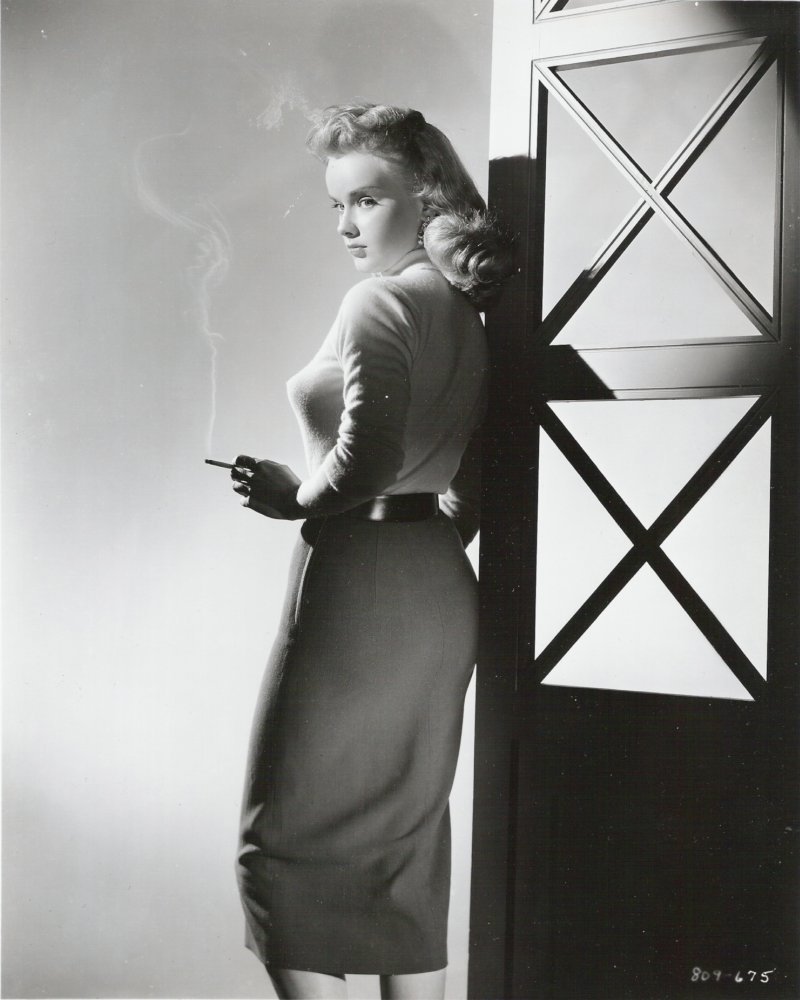
the end of it all
i'm reading charles bukowski's post office. it's a real banger. full of folly and something close to swagger, but not quite because the space in between every word is saturated with such sadness and despair. but still, the "fuck it, fuck the world, fuck you" moments run all over the place in this novel, and that definitely makes it a fun read. and there are sections that work like a straight, fast arrow that come right at you, hard and quick, breaking through your skin before you even know what hit you.
for me, this bit just nails it down—
God or somebody keeps creating women and tossing them out on the streets, and this one's ass is too big and that one's tits are too small, and this one is mad and that one is crazy and that one is a religionist and that one reads tea leaves and this one can't control her farts, and that one has this big nose, and that one has boney legs...
But now and then, a woman walks up, full blossom, a woman just bursting out of her dress...a sex creature, a curse, the end of it all.
Wednesday, February 23, 2011
the world ablaze
"the best and the worst", by charles bukowski
in the hospitals and jails
it's the worst
in madhouses
it's the worst
in penthouses
it's the worst
in skid row flophouses
it's the worst
at poetry readings
at rock concerts
at benefits for the disabled
it's the worst
at funerals
at weddings
it's the worst
at parades
at skating rinks
at sexual orgies
it's the worst
at midnight
at 3 a.m.
at 5:45 p.m.
it's the worst
falling through the sky
firing squads
that's the best
thinking of India
looking at popcorn stands
watching the bull get the matador
that's the best
boxed lightbulbs
an old dog scratching
peanuts in a celluloid bag
that's the best
spraying roaches
a clean pair of stockings
natural guts defeating natural talent
that's the best
in front of firing squads
throwing crusts to seagulls
slicing tomatoes
that's the best
rugs with cigarette burns
cracks in sidewalks
waitresses still sane
that's the best
my hands dead
my heart dead
silence
adagio of rocks
the world ablaze
that's the best
for me.
(image via popartmachine)
Friday, February 18, 2011
find the wound
i think that's the most perfect advice i've ever heard for a writer. because in the end, that's what we are always after...finding a way to get to the inside, where the throbbing is...
Wednesday, January 26, 2011
leaves move in the windows
leaves move in the windows. i cannot tell you yet how beautiful it is, what it means. but they do move. they move in the glass.
...these lines are from william h. gass's story in the heart of the heart of the country. a story of lists. a story of isolation and observance, heartache and hauntings. a story of landscape. of people. of loss.
read it. read the whole collection. it might change what storytelling means for you.
Tuesday, September 7, 2010
what i'm thinking about
"if it's true that depth-of-characterization in fiction is analogous to degree-of-acquaintance in life, then it would be similarly true that the deeper the characterization achieved, then the less clear we'd be about a character's motivation in a story."
—from the "knowing your character" chapter of
writing in general and the short story in particular
by rust hills
"empathy....one might even go so far as to say that the experience is an involuntary projection of ourselves..."
— from the penguin dictionary of literary terms and literary theory
"i had to try to get the feeling by the use of two or three words..."
—from a 1933 letter written by ernest hemingway to everett r. perry
Monday, August 30, 2010
a confession
i recently and randomly read a time magazine essay from may 18, 1970 called "violent protest: a debased language"...a key paragraph got me thinking...
The ultimate debasement of language, of course, is violence...—most dissenters turn to violence in a desperate effort to communicate their profound feelings of grievance. Yet surely this is too crude a way to get their message across. A bomb, for example, lacks specificity; its meaning is as scattered as its debris...Violence is, essentially, a confession of ultimate inarticulateness.
and then the words and ideas filtered down, and what really got a hold of me was— violence is, essentially, a confession... of what exactly? of everything that lives inside us but can't get out, of everything that exists but can't be named, of everything we want acknowledged but instead has always been met with disregard, intolerance and neglect. violence then, is a sad confession of our fragility and weakness, our tragic inability to perfectly express our existence...
Read more of the essay at: http://www.time.com/time/magazine/article/0,9171,909175-2,00.html#ixzz0y92NXg2a
Wednesday, August 25, 2010
in cold blood
taken by richard avedon, 1960
image via this isn't happiness
truman capote breaks into the story with measured beats, and though the pulse of his language often gathers into sharp and clear points , it keeps a steady ever-haunting and gripping pace—
5 pages in and capote writes:
but then, in the earliest hours of that morning in november, a sunday morning, certain foreign sounds impinged on the normal nightly holcomb noises— on the keening hysteria of coyotes, the dry scrape of scuttling tumbleweed, the racing, receding wail of locomotive whistles. at the time not a soul in sleeping holcomb heard them— four shotgun blasts that, all told, ended six human lives.
Friday, May 15, 2009
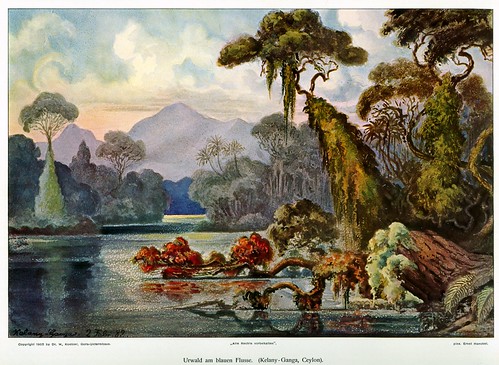
the jungle is obscene
Saturday, March 28, 2009
we real cool
Saturday, February 7, 2009
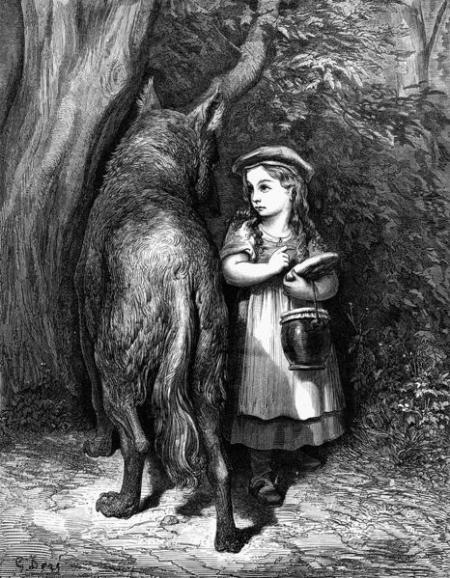
what big teeth you have!...the better to eat you with
Thursday, February 5, 2009
the lover
Monday, January 26, 2009
what didn't happen
in class today we talked about how stories begin, how they open up and what happens in those first few lines that makes us want to keep reading more and more. we read aloud the very beginning of a story called "we didn't" by stuart dybek and after only the first sentence i could feel my skin raise up off my arms and the blood in my wrists pump and the hard bones in my knees ache. dybek was inspired by a poem called "we did it" by yehuda amichai, and he opens up his story with a couple of lines from the poem that he incorporates into his story...
we did it in front of the mirror
and in the light. we did it in darkness,
in water, and in the high grass.
—yehuda amichai
and then dybek begins his story...
we didn't in the light; we didn't in darkness. we didn't in the fresh-cut summer grass or in the mounds of autumn leaves or on the snow where moonlight threw down our shadows. we didn't in your room on the canopy bed you slept in, the bed you'd slept in as a child, or in the back seat of my father's rusted rambler which smelled of the smoked chubs and kielbasa that he delivered on weekends from my uncle vincent's meat market. we didn't in your mother's buick eight where a rosary twined the reaview mirror like a beaded black snake with silver, cruciform fangs.
at the dead end of our lover's lane—a side street of abandoned factories—where i perfected the pinch that springs open a bra; behind the lilac bushes in marquette park where you first touched me through my jeans and your nipples, swollen against transparent cotton, seemed the shade of lilacs; in the blacony of the now defunct clark theater where i wiped popcorn salt from my palms and slid them up your thighs and you whispered, "i feel like doris day is watching us," we didn't.
i'm just completely floored by this beginning— its honesty, its lyricism, its tenderness. and i'm so taken with how much can be told through what didn't happen...that by telling what specifically didn't happen, we understand just as much as when we are told what did happen... and perhaps, more.